
The Gallery.
Empowering
Abilities.
A virtual walk through the gallery we built. Five zones telling the story of the program, the founders behind it, and the gap they set out to close. Igniting possibilities.
A virtual walk through the gallery.
SEED Inclusivity is a Seedstars program backed by the Visa Foundation, scaling disability-inclusive ventures across Asia-Pacific. Cohort 2 spent six months in bootcamps, mentor sessions, and pitch prep. On April 29, 2026, we opened five zones to investors and partners at Habitate, Jakarta. What follows is the walk we built, captured for anyone who couldn’t be in the room.
two cohorts
presenting today
physical gallery
represented
Five zones, one narrative.
Guests entered through The Gap. They paused at the pottery table. They met the Faces, walked The Work, and closed at the Pledge Wall. The order wasn’t decorative. It was the arc.
-
01The GapThe first panels guests met. The market, the funding gap, the case for inclusive innovation.
-
02TraditionThe pottery table. Pottery made by the cohort during bootcamp. Each piece labelled with who shaped it.
-
03The FacesTwo cohorts of founders. Faces, not pitch decks. Tiles colour-coded by country.
-
04The WorkSeventeen ventures across five cubes. What was broken, what they built, what has happened since.
-
05Now It's YoursA wall of caps with prompts underneath. Lift one, write a response, hang it back.
Six months of work led here.
Cohort 2 met for the first time in October 2025 at the Jakarta bootcamp. Three days. Seventeen founders flying in from India, Pakistan, Indonesia, and Singapore. By the end of the week, they had a shared language, a working version of every pitch, a grasp of the SMART methodology, and a small clay piece each from the pottery afternoon that has now become tradition.
From there came six months of weekly mentor calls, market validation sprints, investor readiness reviews, and the quiet work that turned seventeen ideas into seventeen ventures ready for a stage. The three recap videos below trace the arc, the bootcamp, the build, and what was at stake by the time they walked into Habitate in April.
Below the videos, scroll through the bootcamp itself, days one through three. The printed Demo Day booklet sits at the end of this section.
Day one. The cohort lands in Jakarta.
Seventeen founders meet for the first time. Pitch reviews start that afternoon. Mentor pairings are announced. The room shifts from quiet introductions to working sessions in the space of a few hours.
Day two. The work, and the clay.
SMART methodology, market validation, problem statements rebuilt from scratch. In the afternoon, the cohort steps away from decks and sits down at a pottery wheel. Most have never touched clay before. The pieces they shape end up at the gallery in April.
Day three. Pitches, refined and refined again.
One-to-one mentor sessions at Seedstars Villa. Pitches get rebuilt twice. Founders swap feedback in pairs. By the end of the day, every venture has a working version of the story they will tell on stage in April.
The Gap.
Empowering Abilities. Igniting Possibilities.
Across Asia, 690 million people live with a disability. SEED Inclusivity backed the founders turning that reality into opportunity.
Products designed from the start for the communities the world overlooked.
Hear the gallery audioWhat happens when you design for the people everyone else forgot?
Founders with disabilities are up to 400% less likely to receive venture funding. The market they're building for held $18 trillion in combined spending power. And it was growing.
Nearly 96% of the world's top websites have detectable accessibility failures. Over 80 million people worldwide lack access to prosthetic and orthotic services. Across Asia, only 24% of people with disabilities participate in the labour force.
Not because they couldn't contribute. The systems around them were never built to include them. These weren't failures of ambition. They were failures of design.
living with a disability
receive VC funding
spending power
participation
accessibility failures
prosthetic services
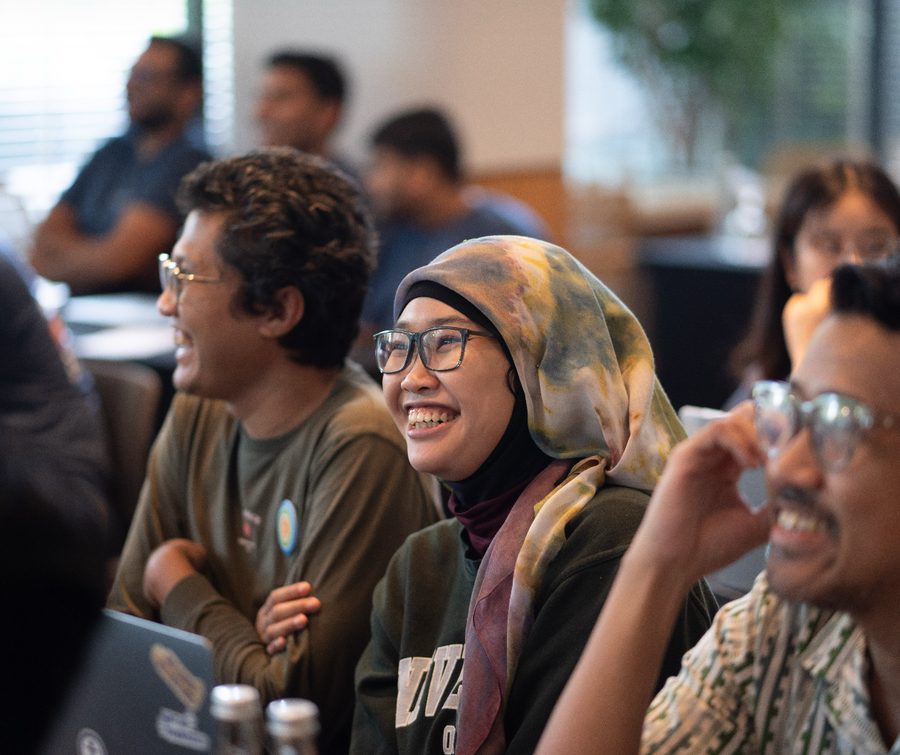
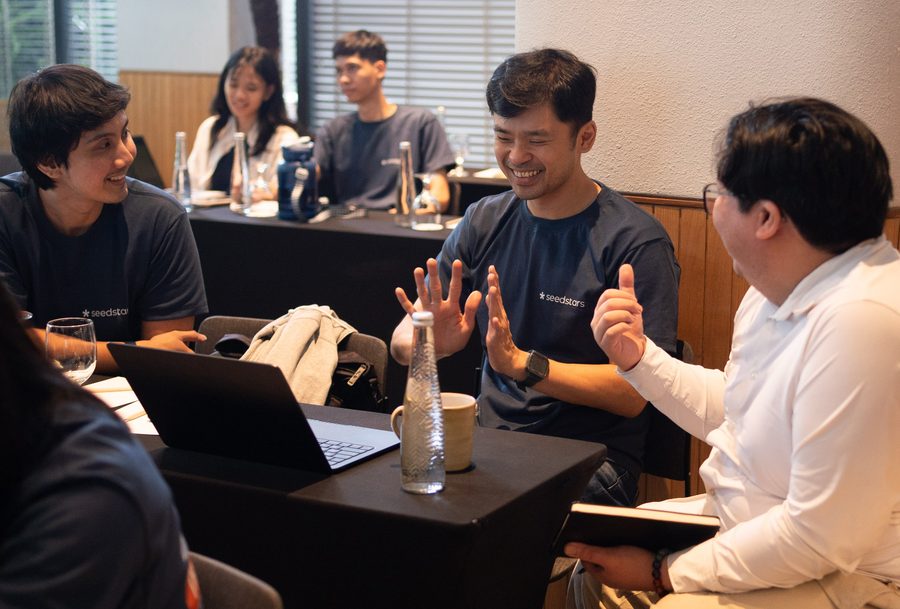

As someone who built a disability-focused business, I know the challenges these founders face. These founders are not just solving problems; they are transforming lived experiences into groundbreaking innovations.
Virtualahan trains and connects people with disabilities to remote work opportunities in the Philippines. Ryan built his company from lived experience, and joined SEED Inclusivity's selection jury to identify the next generation of disability-led ventures.
“At Visa Foundation, we believe that everyone, everywhere should have the opportunity to thrive.”
, Graham Macmillan, President, Visa Foundation
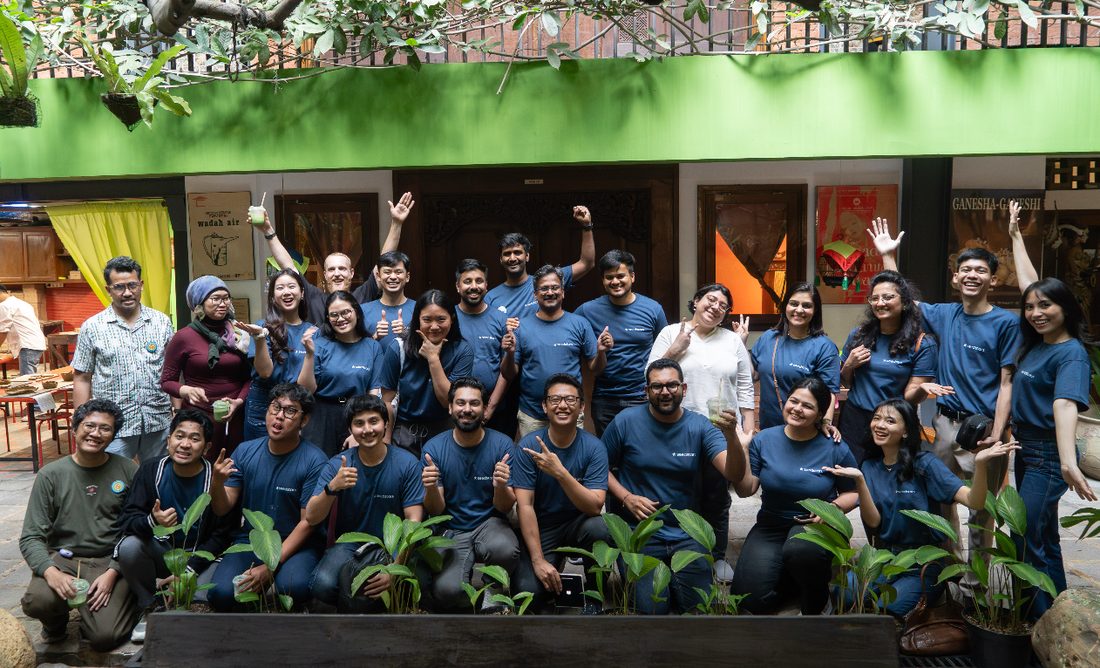
A Seedstars and Visa Foundation initiative backing disability-led founders across Asia. Expert mentoring, investment readiness, and the SMART methodology, built for founders in the disability inclusion space.
The 17 ventures that pitched in Jakarta spent six months building for real people with real needs. What follows isn't a pitch competition. It's evidence.

Tradition.
Every cohort spends time at the pottery wheel. It started as an experiment. It became tradition. Each piece on the gallery table was made by a founder during the Jakarta bootcamp, October 2025.
Most had never touched clay before. The labels at the gallery in April told you who made each one.
Hear the gallery audioA founder with their finished piece. most had never touched clay before
Two founders shaping clay together. one move at a time
In a pottery studio in Jakarta, the cohort sat at long tables and shaped something from scratch. No metrics, no decks. Just clay, hand tools, and concentration.
Some pieces came out lopsided. Some cracked. Some surprised even the person who made them. That's entrepreneurship too. You start with something unformed, you work at it, you don't always know what it's becoming until it's done.
Every piece was made by a founder during the bootcamp. None are perfect. All are finished.

The Faces.
Two cohorts of founders. Faces, not pitch decks. Before the companies, they were caregivers, engineers, researchers, advocates. Most built their company because no one else was going to.
Tiles in deep blue, teal, magenta, and orange. Colour-coded by country, scaled by story.
Hear the gallery audio
The Work.
Seventeen companies across five cubes. Each panel answered three questions: what was broken, what they built to fix it, what has happened since.
The top of each panel told you who they were. The middle told you their headline. The bottom told you what they had done.
Hear the gallery audio
Now It's Yours.
Two wire mesh frames at the gallery exit. Fifty cream prompt cards on hooks, each hidden under a dark blue embroidered SEED cap.
Take a cap (it was yours to keep). Read the prompt. Write a response. Hang the card back. By the end of the day, the wall held answers to the same questions every founder in the gallery had asked themselves before they started.
Hear the gallery audioWhat people wrote.
A selection of cards lifted off the wall by the end of the day. Real handwriting from real guests at Habitate.
You're still in the room.
Loading prompt…
One hundred caps before doors opened. Handwriting by close. Scroll right.


What's next.
Demo Day was a moment in April 2026. The work continued. Here’s how to keep moving with us.
First call when Cohort 3 opens.
Vietnam is up next this 2026. Founder applications, partner briefings, the next gallery. One email, no noise.
When you remove barriers between disabled founders and support systems, results speak for themselves.
A Seedstars × Visa Foundation initiative. Demo Day was held at Habitate, Jakarta on April 29, 2026, with local partners Instellar and Kumpul. Photography by JR. Gallery design by the SEED Inclusivity production team. Audio narration sits at the QR codes inside each zone, and now on this page too.